Category: Legal

  • FREE Real Estate Legal Questions?

    Hey central Florida residents – and those of you wanting to move here. You ever have any real estate or legal questions about buying or selling real estate that, your realtor just can’t answer? I can answer them for FREE.

    What happens to buyer’s escrow deposit if the seller defaults? Or if buyer backs out?

    What happens if the property’s appraisal value is low and doesn’t meet the sale price?

    What if the seller has liens on the property?

    Who pays the state transfer taxes on sale the property?

    What if you find out the house is not structurally sound?

    Can deed restrictions or HOA rules prevent you from modifying your house?

    I’m real estate broker and attorney David Dowell. I’ve been selling homes here in the Orlando area for over 10 years and have actively practiced real estate law for nearly 20. So I’ve pretty much seen it all. If you have any questions about buying or selling a home, or about any step from contract to the closing process, let me help.

    For a FREE, no obligation response to any real estate question you have, feel free to text or email me any time. Or, fill out and submit the question form at the link below. I’ll respond within 24 hours. Even if you already have a realtor, I’m happy to provide this FREE assistance.

    https://youtu.be/nFX4a-i6MQY
  • Real Estate and Legal Questions?

    Hey central Florida residents – and those of you wanting to move here. You ever have any real estate or legal questions about buying or selling real estate that, your realtor just can’t answer? I can answer them for FREE.

    What happens to buyer’s escrow deposit if the seller defaults? Or if buyer backs out?

    What happens if the property’s appraisal value is low and doesn’t meet the sale price?

    What if the seller has liens on the property?

    Who pays the state transfer taxes on sale the property?

    What if you find out the house is not structurally sound?

    Can deed restrictions or HOA rules prevent you from modifying your house?

    I’m real estate broker and attorney David Dowell. I’ve been selling homes here in the Orlando area for over 10 years and have actively practiced real estate law for nearly 20. So I’ve pretty much seen it all. If you have any questions about buying or selling a home, or about any step from contract to the closing process, let me help.

    For a FREE, no obligation response to any real estate question you have, feel free to text or email me any time. Or, fill out and submit the question form at the link below. I’ll respond within 24 hours. Even if you already have a realtor, I’m happy to provide this FREE assistance.

  • Can A Broker Hire An Agent Who Is Not A Board Member?

    Can A Broker Hire An Agent Who Is Not A Board Member?

    I am asked so many times about what a real estate broker can or can’t do with licensees who have no board membership. Board membership refers to a local real estate board. In Orlando, our primary board is the Orlando Regional Realtor Association (ORRA). Some of our friends in Osceola County may be a member of the Osceola County Association of Realtors (OSCAR).

    Either way, you are a member of a local Real Estate Board, MLS, and the National Association of Realtors. All real estate licensees are real estate sales associates, but only board members can call themselves Realtors.

    Local boards have specific rules stating whether brokerages can have non-members as licensees with their company. In some circumstances it is possible, but the liability to the broker can be enormous.

    Local boards are bound by the National Association of Realtors (NAR) rules. These rules say that Brokers hold dues-related responsibilities for the non-member agents who are licensed with their firms. The NAR dues formula, which ORRA and others are bound by its charter to enforce, states that a broker’s personal dues must be increased by an amount equal to the annual dues for each non-member the broker allows to be licensed with their firm.

    Here’s an example of how to calculate the dues of a broker with 10 licensees, four of whom hold board memberships and six of whom do not. For argument’s sake, lets say the annual broker dues are $600 and individual agent dues are $500.

    • Broker’s individual dues – $600
    • Broker’s increased assessment based on six non-members – $ 3000
    • Broker’s total dues – $3600. The non-member assessment fee must be paid by the Broker.

    Payment of non-member dues assessment does not make a non-member a member. If a Broker does not pay the increased assessment dues for all non-member salespersons with his or her office, the ORRA Board of Directors must suspend the Broker until the non-members join ORRA. Other liabilities could apply as well.

    To all you brokers who are board members, be very careful to only hire licensees who are also board members. If you are a non-board member licensee who has joined a brokerage with board membership, be careful to not get involved in any legal issues with your broker or the local board. If you need any further information about this subject matter, I recommend you contact your local board with questions.

  • Why You Need a Lawyer When You Buy a Home

    Why You Need a Lawyer When You Buy a Home

    Buying a home is the largest and most important purchase you will make in your life. This purchase will involve many legal issues that don’t exist with other purchases you will make. A skilled lawyer is trained to deal with these problems.

    Home Buying Process

    When you find a home you want to buy, negotiations are conducted through the real estate agents for both buyer and seller. Once an informal agreement is reached, the parties then execute a formal Purchase and Sale Agreement. This is a legally binding contract. The parties then have about 30 to 45 days to close the deal. During this time, the buyer must apply for and obtain a home mortgage – unless he/she is paying cash. Title is then searched to see if there are any liens or clouds on the title. If all goes well, the property is then transferred from the seller to the buyer by way of a Warranty Deed. This process seems simple, but without a lawyer, the consequences can be disastrous.

    Avoid Unclear Terms

    A real estate lawyer can help you avoid some major problems with the purchase. Real estate agents typically use standard forms, expecting that they will cover all circumstances and conditions. Well, they don’t. The standard Purchase and Sale Agreement does not deal with a number of legal problems. Thus, a skilled agent, or real estate lawyer, will often add additional terms to the contract.

    A lawyer can explain the consequences of not getting a loan commitment on time, the effects of latent (hidden) damages to the property, the strict tax liability the buyer has when seller is a foreign national, failure of the seller to deliver good marketable title, any many more. The standard forms used by most agents can have the blanks filled in easily in about 7 or 8 minutes. However, there are 12 pages of detailed legal language that you need to understand. After all, one misinterpretation could cost you thousands of dollars, or even the loss of your dream home. An attorney should also determine if the contract was properly signed.

    The purchase contract is the most important document in the transaction. A lawyer can explain the contract and modify it so that it benefits the buyer. Typical contract issues that a lawyer will address are:

    * If the property has been altered in any way, was it done legally?
    * If the buyer plans to change the property, can it be done legally?
    * What happens if the buyer finds termites, asbestos, radon, or lead-based paint on the   property after a sale contract is signed?
    * What if the buyer finds hazardous material on the property?
    * What if the closing does not take place when scheduled, and what happens to the down payment?
    * Will the down payment be held in escrow by a lawyer?
    * What if the buyer cannot obtain financing?

    Title Search

    After the contract is signed, buyer must determine whether seller has good and complete title to the property. This is done by a title search by the title insurance company who is conducting the closing. A lawyer will review the title search and explain the title exceptions as to what is not insured, and determine whether the legal description is correct. He can also explain any easements, restrictions and other clouds on title.

    The Closing

    The closing is the final step. This is the process whereby title transfers to buyer. The title company will prepare a closing statement, reflecting the debits and credits to both buyer and seller. A lawyer can explain the nature, amount, and fairness of the closing costs. The Warranty Deed and loan documents are signed at this time and the lawyer can verify that all documents are legally executed.

    The closing process can be confusing and complex to the buyer and seller. Those present at the closing often include the buyer and seller, their respective attorneys, the title closer (representative of the title company), an attorney for any lending institution, and the real estate broker. There may also be last minute disputes about delivering possession and personal property or the adjustment of various costs, such as fuel and taxes. If you are the only person there without a lawyer, your rights may be at risk.

    For more information on how a lawyer can help you when you buy a home, please contact real estate broker and attorney at law David Dowell, by phone/text at (407) 864-2265, email at david@PanAmOrlando.com, or visit us online at www.PanAmOrlando.com

  • United States Work Visas

    United States Work Visas

    The United States welcomes thousands of foreign workers in multiple occupations or employment categories every year. Some workers are only here temporarily, while others can stay and work permanently. All foreign workers must first obtain permission to work legally in the United States. There are many different categories and types of work visas and each has different requirements, conditions and authorized periods of stay. It is important that you understand the specific terms of your visa category, as any violation could result in removal or denial of future re-entry into the United States. As a general rule, most work visas can be broken down into two categories – temporary and permanent.

    Temporary (Nonimmigrant) Worker
    A temporary worker is an individual seeking to enter the United States temporarily for a specific purpose. Nonimmigrants enter the United States for a temporary period of time, and once in the United States, are restricted to the activity or reason for which their nonimmigrant visa was issued. The most common visas are as follows:

    E-1 treaty Trader
    E-2 Treaty Investor
    H-1B Workers in a specialty occupation
    H-2 Temporary or seasonal workers
    L-1 Intracompany transferees
    O-1 Persons with extraordinary ability
    P-1 Internationally recognized athletes and entertainers
    TN NAFTA temporary professionals

    Permanent (Immigrant) Worker
    A permanent worker is an individual who is authorized to live and work permanently in the United States. The most common categories are as follows:

    EB-1 Persons of extraordinary ability in the sciences, arts, education, business, or athletics
    EB-2 Persons who are members of the professions holding advanced degrees
    EB-3 Professionals and skilled workers
    EB-4 Special Immigrants, which includes certain religious workers and employees of U.S. foreign service posts
    EB-5 Business investors who invest $1 million or $500,000 in a commercial enterprise

    To stay updated on current USCIS issues or for more information on United States work visas, please visit Central Florida’s premier real estate & legal team at www.PanAmOrlando.com, or call us at (407) 864-2265.

  • Asylum is an Option for Citizens of Venezuela

    Venezuela has gone through a tremendous transformation over the past few years. Political unrest is prevalent and the economic downturn has been severe. Basic foods and medicines are now hard to come by and work opportunities are disappearing quickly.

    But the biggest obstacle to living a normal life may be the rampant violence throughout the country. Even a simple trip to the store can be a dangerous venture to most. For this reason alone, many Venezuelans are fleeing to the United States to seek safety for their families.

    Most Venezuelans traveling here come with a tourist visa. This visa is only valid for up to 6 months. Once it expires then the Venezuelan tourist is illegally in the United States, becomes ‘out of status’ and is subject to deportation. Once deported, the immigrant could be banned from returning to the U.S. for many years.

    So what can they do? One option to Venezuelan citizens may be to apply for asylum. To qualify for asylum, an immigrant must show that he/she has been harmed or threatened with harm in Venezuela and that they fear such harm if they return to their country. Further, they must show that this harm or threats are based on a preferred category such as religion, political opinion or social status.

    With the political and cultural climate right now in Venezuela, its citizens may be eligible for asylum in the United States. Asylum would allow for them and their immediate family to legally live, play and work in the U.S. and can lead to them getting a Green Card and Citizenship.

    I have represented several asylum seekers and suggest the time is now to consult with an attorney about your options. I can offer you a free consultation with no obligation. And if you decide to move forward with your application I can offer a significant discount on your attorney fees. To learn more, please contact immigration attorney and real estate broker, David Dowell, by phone/text at (407) 864-2265, or email at david@PanAmOrlando.com.

  • What Will Your HOA Allow You to do?

    What Will Your HOA Allow You to do?

    It’s summer time and you’re ready to landscape the lawn or build that backyard deck! But you may have a homeowners association that wants to know exactly what you are doing. So, what will your HOA allow you to do?

    Here in central Florida, many of us live in homes that are part of a homeowners association. The main purpose of an HOA is to make sure that the houses are in significant conformity with pre-established regulations so that the value of all houses, and the neighborhood as a whole, remains as high as possible.

    If your neighbor decides to paint his house bright orange with nude murals on the exterior walls, that may not be the best thing for you or any future buyers. Or, if your neighbor tries to put a jacuzzi in the 10-foot deep front yard, without a fence, that could pose a danger issue to the kids in the area.

    So, there’s a lot to be said for having HOA regulations for the houses in your neighborhood. But what exactly will they let you do and what do they regulate? First and foremost, the HOA will regulate what you can do to the appearance of your home. You will need permission to paint your house, to change the surface or size of your driveway, and to even use certain types of furniture or decorations on your front porch. Anything which could affect the aesthetics of the exterior will be regulated.

    Some HOAs are very easy to work with, but you must first go through the formalities. That means, anytime you are ready to make a major change to your home’s exterior, you will need to notify the HOA. Most will have a form for you to fill out to send in for their review. The HOA’s Architectural Review Board will look at your plans and issue a decision. It typically takes an HOA about 30 days to make a decision, so don’t schedule the pool company to come out the day after you submit your HOA request!

    HOA regulations are good for your community, and many are easy to work with. Unfortunately, there have been too many horror stories of HOAs that are not quite friendly. I hope yours is the former!

    For more information on what your HOA will allow you to do, please contact real estate broker and real estate attorney, David Dowell, by phone/text at (407) 864-2265, or by email at david@PanAmOrlando.com

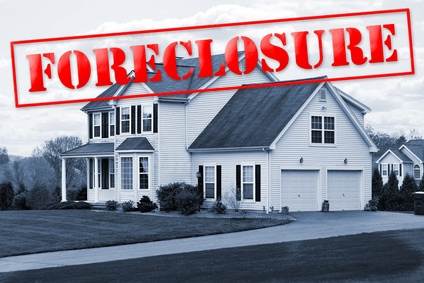
  • Are Foreclosure Homes Still a Good Bargain?

    Are Foreclosure Homes Still a Good Bargain?

    One of the most common questions that I get is whether foreclosure homes are still a good bargain. A foreclosure home, also known as an REO (Real Estate Owned) in legal terms, is a house that has been foreclosed on by a mortgage lender and that is now owned by the bank. Banks are not in the business of owning houses so they are motivated to sell them quickly if possible.

    In order to do this, they historically would try to sell them at a discount. Also, because homeowners did not usually take care of their homes in the months preceding the foreclosure sale, they had no incentives to take care of them or make repairs. In fact, in may instances, home owners would even intentionally damage the home out of spite to the lender.

    When the economy took a downturn and the real estate market crashed several years ago, there was a very high number of foreclosure homes available. Because of this high inventory, banks were selling them cheap in order to get rid of them. Many of these were also in bad shape, which further added to the cheap prices. They were a fixer-upper’s dream.

    But today, with the strong economy and low inventory of foreclosure homes, prices are not the bargains that they once were, and banks have less of an incentive to sell them for the big discounts. And in some instances, the banks are actually entering the house and doing some basic renovations to get the sale price back up.

    The bottom line is that foreclosures can still be a bargain if you look hard enough and have the desire or ability to do some repairs on the home. However, these homes are not the bargain they used to be. If you are looking to buy a home and don’t mind putting a little elbow grease into it to fix it up, then I would encourage you to find a list of foreclosure homes during your search.

    For a current list of foreclosure homes in the Orlando area click here. For any other questions on foreclosures, or the legal foreclosure process, you can call/text real estate broker and attorney at law David Dowell at (407) 864-2265, or by email at david@PanAmOrlando.com.

  • Foreclosure Process

    Foreclosure Process

    Foreclosure is a complicated legal process but with everyone talking about it, and real estate agents discussing these homes with their clients, we felt that we should briefly describe the foreclosure process. Foreclosure occurs when a home owner cannot, or does not want to, make the monthly loan payments on the mortgage loan.

    Fortunately for the home owner, he or she has an opportunity up to the day the home is sold to bring the loan current and avoid foreclosure. The home owner would simply have to pay all arrearages plus attorney fees and costs for bringing the action. The foreclosure attorney will always have that specific number available if the home owner is interested.

    After about three to six months of missed loan payments, the bank will file a document called a Lis Pendens in the county where the home is located. This puts everyone on notice that a foreclosure action has commenced.

    If the loan is never brought current, then a foreclosure sale date is ordered by the court. The home owner will receive notice of the foreclosure sale date and this notice will also be posted on the property and published in a local newspaper for a three or four week period.

    The foreclosure sale typically occurs on the steps of the county courthouse in which the property is located. The time and location of this sale are spelled out in the court document which ordered the sale. At this foreclosure sale, the property is sold in an auction to the highest bidder. An opening bid on the property is usually set by the foreclosing bank. This opening bid is usually equal to the outstanding loan balance, interest accrued, and any additional fees and attorney fees associated with the foreclosure process. If there are no bids higher than the opening bid, the property will be purchased by the bank itself. The winning bidder must pay the winning bid amount in cash. Most counties require this be accomplished with a deposit up front and the balance within 24 hours. The winner of the foreclosure auction will then receive the deed to the property.

    If no one bids an amount equal to the opening bid then the property is called an REO,  or Real Estate Owned. This typically occurs because many of the properties up for sale at foreclosure sales are worth less than the total amount owed to the bank.

    When a property is purchased at a foreclosure sale, all junior liens other than property taxes are eliminated. The priority of all liens is determined by the date of recording. When an REO is  purchased the owner receives the property with a clean title.

    For more information of the legal foreclosure process, please contact an attorney who is knowledgeable in this area. If you would like to contact us at www.YourOrlandoRealty.com, we will have our staff attorney/agent review your questions.

  • Legal Foreclosure Information

    Legal Foreclosure Information

    The foreclosure process can be a little confusing. And one small article is not sufficient to completely explain it. However, we want to give you a very brief summary description of the foreclosure process with some foreclosure information. Banks, or any lender for that matter, decide to initiate foreclose proceedings on a property when the monthly payments are not being timely made on the mortgage loan. Most mortgage loan agreements allow for a ‘grace period’ of around 30. That means that the loan is not in default during that time. After the grace period, the loan becomes in default. Most banks still will not initiate the foreclosure proceedings at this point. They prefer to give the home owner/borrower at least 90 days to get payments current or to work out some sort of payment plan. This gives the borrower some time to recover if a temporary financial hardship has happened, and it also convinces the bank that foreclosure is likely inevitable. Banks only like to start foreclosures as a last resort.

    When the bank finally decides that they need to start the foreclosure the first thing they normally do is file a document with the local court called a Lis Pendens. From this point, it could take up to a year or more before the court orders that the home be sold and that the home owner needs to move out. During this time, the home owner still retains all rights of ownership to the property and they can stay in the home.

    Once the court orders the sale, the foreclosure auction is normally held in a public place, such as the steps in front of the courthouse in the county where the property is located. A notice of auction is usually placed in some public place, such as on the property or in  a local newspaper. Delays in the auction are fairly common, but when an auction is held, either a third party bidder or the lender will be the new property owner at the end of the auction.

    If the bank is the buyer of the property, they may or may not perform needed repairs. On the other hand, homes purchased by independent third parties are usually repaired and brought to marketable condition before being resold to another buyer. For more foreclosure information we recommend that you speak to a qualified real estate agent or attorney. To see a complete list of foreclosure properties in the Orlando and Central Florida area please visit YourOrlandoRealty.com.

Skip to content