.
What should your initial offer be if you are buying a Florida home?
Click the video below to find out.

.
What should your initial offer be if you are buying a Florida home?
Click the video below to find out.
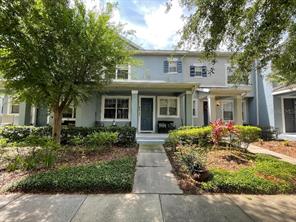
Buying a home can be a confusing process, especially if you have not bought a home before. So lets try to explain the home buying process.
The first step a prospective homebuyer wants to do is get pre-approved for a home mortgage and obtain a pre-approval letter from the lender. This letter will tell the buyer how much he can spend on a new home, based on the amount of loan the can borrow.
With the pre-approval letter in hand, the buyer can now work with a Realtor to find homes for sale that meet his criteria. Most buyers will first narrow a list of homes down to the area of town they would like to live in. This may be due to proximity to a job or entertainment, top-rated schools, or other. Then, you can further narrow down based on price, size and features.
Once you have a few homes in mind, your Realtor will schedule some appointments to view these homes. When you find the one you want, the Realtor will put your offer down on an official contract and present to the seller. If accepted, then you are under a legal contract to buy the home. Of course, the seller can always reject your offer and make a counter offer.
Once you have a contract, you will then be required to pay a small good faith escrow deposit to the title company who is conducting the closing. This can be as low as $2000 or $3000. The title company is an independent party who is responsible for putting together all the paperwork to transfer title. It normally takes 30 to 45 days to close the purchase.
During this period, there is actually a lot that gets done. The title company will search the public records to determine whether there are any liens on the property or clouds on title. If so, they will work with the seller to clear them. The buyer also has work to do – work with the lender to provide any documents necessary to get the loan and inspect the property for problems.
The pre-approval letter that the buyer received in the beginning was just a general statement from the lender saying that a loan would be provided based on the accuracy of the basic information given. Now, the buyer must support his original statements with bank statements, employee records, tax returns, and so on.
The buyer will also want to have a home inspector do a complete inspection of the property soon after the contract is signed. He will check the plumbing, electrical system, AC, roof, water leaks, structural integrity, and more. If there are any problems, then buyer must bring this to seller’s attention and request seller to fix the problems or re-negotiate the purchase price due to the needed repairs. Most purchase contracts give the buyer a due diligence period of at least 15 days, in which buyer can cancel the contract for any reason. This is why the home inspection must be done soon.
But if all is well with the inspection and the lender approves the loan, then it’s time for the closing. Typically, the parties will meet at the title company offices, sign documents and then buyer gets a deed and keys. That’s it!
Of course, there are frequently other issues that arise during the process. For this reason, it’s a good idea to have a real estate attorney assist you through the process. And if your Realtor is also an attorney then the attorney may not cost you a dime!
Hey central Florida residents, is your dream home something that you thought didn’t exist in the Orlando/Kissimmee/Clermont area?
Well, our dream home finder program is a totally free service where we invest our own money and time to go out and find properties that match exactly what you’re looking for. Hi, I’m real estate broker and attorney at law David Dowell.
I know there’s not a lot of inventory on the market right now, but that doesn’t mean there aren’t many houses available to buy. You see, there are a lot of people who don’t want to publicly list their house for sale, but they’re telling their realtor “Maybe I’ll sell if you can find me the right buyer”. These are sometimes called pocket listings and many realtors have these.
Also, once I know what you are looking for, and in what specific neighborhoods, I can reach out to these ideal homeowners to let them know I have a prospective buyer. We may be able to find one that says, “You know what, I’ll sell”.
So send me a message now to find out how I can help you find the home of YOUR dreams.
If you are renting your home right now, you will want to read these top 10 reasons to buy a home instead of rent. From pride to tax savings, you’ll wonder why you haven’t bought your home yet. Here are the top 10 reasons.
1. It’s YOURS! No one else can tell you what to do. Whether you want to have a pet, plant a garden, mount a TV on the wall or install tile floors, it’s your choice.
2. Major Remodeling. Put in a pool. Expand the driveway. Add another room.
3. Appreciation Benefits, Including Leverage of Cash Invested. As a home appreciates, it accrues faster than other investments due to the appreciation on all of the home’s value, and not just the gain on your deposit.
4. Tax Benefits. Homeowners are allowed to deduct mortgage interest and property taxes when they file tax returns each year. These savings can often make owning the same as, or cheaper than, renting.
5. Mortgage Costs Stay the Same as Rents Rise. If you get a fixed-rate mortgage on your home, your mortgage payment will never change.
6. Forced Savings. When you make your monthly mortgage payment, a part of that payment pays down the loan, giving the owner more equity in their home.
7. Customize Your Furniture for Your Space. Moving from place to place usually requires purchasing new furniture to fit the space.
8. Homeownership Allows You to Build a Second Income Stream. You can choose to rent your home, or even a room in your home for an income stream.
9. No Landlord Can Kick You Out (And you never have to speak with one again!). Renters can face an unexpected eviction notice if their landlord suddenly decides to sell the home, rent to someone else, or otherwise end the lease.
10. No One Can Enter Your Home Without Your Permission. No more coming back home to find a note saying that your landlord or a repairman has been in your home.
Buying a home has so many other benefits. To learn more about buying versus renting your home, please contact real estate broker and attorney at law David Dowell, by phone/text at (407) 864-2265, email at david@PanAmOrlando.com, or visit us online at www.PanAmOrlando.com

If you’re like most people who are looking to buy a home, you probably have listened to friends, family and coworkers. Most of these people probably have encouraged you to buy a home. But, you may still be wondering if you should buy a home right now or wait. Don’t worry. This is normal. If you have any thoughts whatsoever about whether or not to buy a home, we recommend that you research the process a little. The more you know about why you should buy a home, the less scary the entire process will be. We have put together a few reasons that you should consider as to why you should buy a home at this time.
Pride of ownership – is the number one reason why people want to buy a home. It means you can paint the walls any color, crank up the volume on your stereo, put up any permanent fixtures, and decorate your home as you wish. Home ownership gives you a sense of stability and security. Buying a home is making an investment in your future.
Appreciation – Although real estate values go up and down, usually in cycles, over the long haul it has consistently gone up. We have just completed one of the most severe down cycles in history. Most experts now say that the real estate market has stabilized and going back up. This is now the perfect time to buy a home and a big reason why so many people do.
Mortgage Reduction Builds Equity – Maybe the biggest reason of all to buy a home is to build equity. Every month that you pay your mortgage, part of your monthly payment is applied to the principal balance of your loan, which reduces your obligation.
Mortgage Interest Deductions – If you buy a home you will obtain favorable tax treatment from the IRS. Mortgage interest is fully deductible on your tax return. Interest is the largest component of your mortgage payment. Many people make the decision to buy a home for this reason alone.
Property Tax Deductions – When you buy a home, whether it be a first home or an investment home, the property taxes you pay are fully deductible for income tax purposes.
Capital Gain Exclusion – Another popular reason to buy a home is to get the capital gain exclusion. As long as you have lived in your home for two of the past five years, you can exclude up to $250,000 ($500,000 for a married couple) of profit from your capital gains. You do not have to buy another home.
Equity Loans – Having the ability to get a low interest equity loan is another very big reason why people decide to buy a home. Interest paid on credit card balances cannot be deducted. These interest rates also tend to be very high. However, when a person obtains an equity loan and pays off the credit card debts, this interest – at much lower rates – is deductible. When you buy a home you can borrow against the equity in the home and use this money for amny reasons, not just to pay off your credit card debts. Many peoplke use home equity loans for college tuition, trips, a new car, and so on.
If you have any questions about buying a home in Central Florida, please contact us today, or visit us at www.YourOrlandoRealty.com.
Home buyers and investors always ask, “Which type of deal is better, a short sale or foreclosure?” Before starting their search, prospective home buyers and investors should know the benefits and drawbacks of buying either type of “distressed” property – foreclosures and short sales.
Benefits to Buying Foreclosed Homes
According to Lender Processing Services, nearly 2.2 million homes in the U.S. were in foreclosure in April. On average, they sell for about 30 percent less than a nondistressed property, In April, the median price of a move-in ready foreclosure was around $185,000, according to Re/Max. A nondistressed property’s median price was about $267,300. Such deals are possible because homebuyers can negotiate closing costs and price in foreclosure sales. Buying a foreclosure typically is faster than buying a short sale, and an investor can buy a home for rock-bottom dollar. The national average of a foreclosure that needs some work may cost around $107,600, according to Re/Max. The investor could rent out the home or resell it after fixing it up. Investors should expect to spend no more than 5 percent to 10 percent of the purchase price to renovate a foreclosed house.
Drawbacks of Buying Foreclosed Homes
Are you sold on the idea of buying a foreclosure? Not so fast. Proceed with caution because there’s potentially a cost to that low price – a damaged house. Many foreclosed homes these days are ransacked homes. As a buyer, you could encounter scarred walls, carpets or appliances that were damaged by the former owner. Sometimes, time and neglect are the culprits. Turned-off utilities coupled with the house sitting empty for months can do a good share of harm. However, some foreclosures are immaculate. And if you scope out a property that’s run down, there’s still hope. If a person is handy, and you have a high tolerance for defects and you can fix this stuff, there are a lot of opportunities out there. But in some foreclosures, the condition of the home may be the least of your worries. If you buy a foreclosure at auction without any research, you won’t get to take a peek to see if the plumbing works, if the walls are cracked – or if there’s a lien against the property. You’ll be responsible for these cosmetic and legal issues, so many investors research the property’s history before the auction. So, before starting your search for foreclosed homes, make sure you have a qualified real estate agent assisting you. You would be even better off if your real estate agent was a licensed attorney.
Benefits of Buying Short Sales
Looking for a foreclosure home price but in better condition? Sift through short sales in your local market. A short sale is still owned by the home owner, who owes more on the mortgage than the home is worth.
Many believe that a short sale is far better than buying a foreclosure because the home is generally in better condition because it’s been occupied. The utilities have been maintained, usually the lawn is maintained, and so on. In April, the median price of a short sale home was $218,500. By comparison, a nondistressed property’s median price was about $267,300, according to Re/Max.
Drawbacks of Buying Short Sales
The name “short sale” can be deceiving – these deals often drag on for months. Some sellers assume they can start this process at their leisure, but they still have to qualify for the short sale.
After the seller is approved, the first question a short sale buyer buyer should ask is whether or not there are two mortgages on the house. If there is a second lien holder on the short sale, that make the whole process much more difficult. Every lender and lienholder that has a financial stake in the house has to agree to the short sale. If the sale price of the home won’t pay off the second mortgage, that lien holder may not get paid, so that lender can block the sale. In the meantime, the buyer is stuck waiting for an answer.
Know What You Want
Nothing in real estate is a sure thing, but you can bet on getting a good deal if you know what you’re looking for in a home. If your family needs a house within one or two months, a foreclosure may be a good option. If you have more time to work with, short sales could be within your realm of possibility. Know your tolerance for defects and whether you have the time and money to fix up a house before buying a distressed home. If the choice is right, you could help a home owner put off a foreclosure if you buy a short sale. You can snag a great deal with either a short sale or a well-maintained foreclosed home, but one requirement remains – you must find a good real estate agent.

If you are hoping to find an investment opportunity, you should look no further than investing in a short sale home. By doing so, you may be able to save thousands of dollars, and secure a rental home or primary home as your investment or primary residence. How does this work?
A short sale is an attempt by the current owner to sell a home in lieu of the bank taking it back through foreclosure proceedings, thus partially salvaging their credit rating and lifting the burden of heavy mortgage debt. The entire short sale process hinges on the hope that the bank will take a loss now, approve the sale, and eliminate the costly process of foreclosing, clearing, and reselling a home. Here are a few tips originally provided by Todd Foust and Jennifer McNamara to help you better understand the short sale process.
Tip #1: Price is usually set by the real agent & seller, not bank – The real agent and seller of a short sale home often create a very low asking price in order to attract buyers. The bank is normally unaware of the asking price in a short sale; however, the bank has the final say in what an acceptable offer will be. Since the bank has the power to ultimately accept or deny offers, their lack of price awareness often leads to the process taking longer than anticipated. The bottom line is that the buyer who is investing in a short sale home needs to remain positive and patient throughout the entire process, sometimes even for months.
Tip #2: Loans owned by 1 bank usually better than 2 – If the seller of the short sale home has loans owned by two different banks it is a lot more difficult to approve the short sale. This is something the real estate agent or the buyer cannot control; it simply depends on the willingness of the bank or banks involved. Buyers investing in a short sale home should know that when the seller only has a loan(s) with one bank the short sale often becomes more buyer friendly. A savvy real estate agent can let you know this type of information.
Tip #3: Lowball offers get slow or no response – Remember that the bank is typically unaware of the pricing during a short sale. When lowball offers stream into the bank they are often scoffed at and rejected, giving the prospected buyers little or no feedback. Surprisingly, it may also take painstakingly long to hear back even on good offers due to the high volume of transactions lenders are inundated with these days. So if you are a buyer interested in investing in a short sale home, you need to find a qualified real estate agent to walk you through the process.
Tip #4: Real estate agent must check comparables before submitting offer – The real estate agent must be sure to check recent home sales in the area to give buyers a better idea of the properties that are selling both short sale and non short sale. This will give the real estate agent and the seller appropriate grounds for an asking price that will be more likely to be approved by the bank. Checking comparables will also give the buyer who is investing in a short sale home a better knowledge of what price homes in the neighborhood are selling for, and ultimately make them a more informed home buyer.
Tip #5: Don’t hang your hat on the property – Short sales aren’t necessarily “short.” It can sometimes be a very long process. So if your goal is investing in a short sale home don’t get your hopes up for just one property. Keep your options open and continue to actively look at multiple properties. Buyers must remain optimistic. The right property will come along. In most areas it is completely legal and risk-free to have multiple offers out at any given time with the proper contingencies.
Tip #6: Sellers with other properties or too strong of financials may not qualify for short sale and/or may be asked to pay the difference – Sellers that own more than a handful of properties or have an extremely large net worth will probably not be eligible for short sale. In some cases the seller will be asked to pay the difference of the sale. The seller might even need to sign a promissory note stating that they will pay back all or most of the debt. This has virtually no effect on the buyer as long as the seller cooperates, but can certainly decrease the chances of the short sale being completed.
Tip #7: “Approved” prices are quickest – It is important to remember that short sales are not always timely. However, making an offer on an “approved short sale” can be a quicker process. An “approved short sale” has a price that has already been given the green light by the bank. This could be due to the fact that another interested buyer made an offer that was approved, but didn’t end up buying the property. These types of short sales are some of the most highly desirable. So, if you are set on investing in a short sale home, look for these properties.
Tip #8: Some banks look for strongest buyers, some want strongest offers – The bank has all the power in approving short sales. The bank can pick the most appealing buyer, which may mean different things to different banks. Some banks may prefer the buyers with large down payments while others just want the highest price regardless of down payment. Many investors of short sale homes want to know if they will get a deeper discount for an all cash offer. This is very hard to predict and one will never really know until they make an offer. As long as the investor/buyer is surrounded by a good team we would advise them to do just that.
Tip #9: Repairs are seldom done, credit is more frequent – If there are improvements that need to be made on a short sale home, even if they are necessary to get a loan, it is often unlikely that they will be done. Typically there is some sort of credit issued and the buyer must take the responsibility of fixing anything that is broken. This is one of the small risks that comes with investing in short sale homes.
Tip #10: When you get approval, you must close on time – During a short sale there is no leniency with the closing escrow date as there often is in a traditional sale. During a short sale, exceptions are rarely made and the buyer must close on time. Because of this, when investing in a short sale home it is important to take care of all loan paperwork immediately after opening escrow. We’d advise buyers to be extra prepared and try to have the loan finalized a few days in advance of the closing date. If there is going to be an issue that will prevent closing on time, a request for an extension will need to be made immediately. If the request is made early enough, many banks will grant an extension but don’t just assume it will happen.
Investing in short sales can be a great opportunity to find your new home at a competitive price. A Short sale could also be a major headache that lasts for months. It is important to have a good understanding of the factors that lead to a successful short sale to make it an enjoyable and profitable experience. We hope that these tips will help you to remain positive and optimistic throughout the process.

If you are hoping to find an investment opportunity, you should look no further than investing in a foreclosed home. By doing so, you may be able to save thousands of dollars, and secure a rental property as your investment. How does this work?
To begin, a foreclosed home is one where the homeowners no longer can, or wish to, make their mortgage payment. When that happens, the bank takes back title of the home, and puts it back on the market. Usually, they start by listing the house very low in hopes of selling it quickly. They just want to try and get their money back. For this reason, you can sometimes find a great deal on a beautiful home. This makes investing in a foreclosed home a great and smart choice for rental property.
If you think that investing in, or buying, a foreclosed home is right for you, then you may want to start looking at the different foreclosed properties that are on the market. To see a list of foreclosed homes in your area, contact a local real estate agent and request a detailed list of these homes. Take note of the different neighborhoods, and school zones. You will want to find foreclosed homes that are in fairly popular areas so that your property will move quickly whether you rent it out or resell it for profit.
As you look at different foreclosed homes, also pay close attention to the condition. You should have a pre-conceived idea of certain qualities that you want in a home. Everything from the number of bedrooms, to the size of the lot should be on your list. By doing this, you won’t end up buying something that you are not happy with.
Next, you’ll want to look into getting a home loan. If you get pre-approved, you can move forward with an offer on the home. Waiting to get your offer accepted can take some time due to the paperwork involved, so be prepared. Eventually, you will learn whether your offer was accepted or not. If so, you will be ready to begin renovation on the foreclosed home to serve your investment purpose.
When it comes to renovation, seek out some experts to advise you. It will be worth it. Check out which areas need to be addressed, then sit down and write out a list of things that need to be taken care of right away. After a while, you will be able to move forward, and put the home on the market. Always start with the bigger projects first, then move to the smaller ones as you as you have the time and money. And, as always, don’t forget the outside! Curb appeal is what’s going to bring in the renters and buyers the quickest.
For more information about foreclosed homes in the Orlando area please contact us.

You’ve probably wondered many times if you can afford to buy a home, especially for the very first time. Did you know that continuing to make rental payments may be more expensive in the long-run? When you make rental payments, the money is gone forever. When you make mortgage payments, however, you build equity in your home. The longer you own your own home, the larger your equity becomes. Your home may also appreciate in value, usually at a rate faster than the rate of inflation. In addition, property taxes and mortgage interest paid on your personal residence are usually 100% tax deductible. There are numerous advantages to owning a home. Here are some things that a first time home buyer needs to know.
Obtain Your Credit Report
Get a copy of your credit report from the three major credit bureaus (Experian, Equifax, Trans Union) and review the information. Most lenders will get a credit report for you and review it with you as part of their pre-approval process. The sooner you do this the better. If your credit report contains items which need correcting, it’s easier to attend to them well before you make an offer.
Don’t assume you can’t buy a home because your credit isn’t perfect. There are numerous lenders and loan programs designed for people with less-than-perfect credit, especially for a first time buyer. Contact several lenders to discuss your options. In the unlikely event you don’t qualify for a loan, determine what steps to take to improve your credit standing and qualify in the future. Being a first time buyer doesn’t mean you have to qualify for the first home you want to buy.
Determine How Much Home You Can Afford
Many web sites offer calculators that help you determine how much home you can afford. These tend to be very popular with the first time home buyers. A good calculator will give you a range of affordability. Many of these calculators use standard debt ratios of 28/36. This means that your housing payments cannot exceed 28 percent of your gross income and that your total debt cannot exceed 36 percent of your gross income. However, there are a wide range of programs, some that directly target the first time home buyer. Depending on your assets, credit history and earning potential, you may be able to qualify for more than what the standard debt ratio calculations would indicate. Contact a lender to determine of how much you can afford.
Understand The Cost Of Home Ownership
In addition to your mortgage payment, you will also pay for property taxes and home owners insurance. If you buy a condominium or townhouse you’ll likely pay a monthly home owner’s association fee. It is important that you understand the full cost of owning a home in addition to the tax benefits, whether you are a first time buyer or not. Many real estate agents and lenders can help you analyze the cost of owning a home. You may also want to consult with a financial planner or real estate attorney to determine how purchasing a home will help meet your financial goals.
Determine How Much Money You Will Need
Most loan programs require cash to pay for the down payment and closing costs. Many loan programs allow 100 percent financing. In today’s market most lenders offer a variety of programs and down payment options. Even if you have less-than-perfect credit, you may be able to buy a home for the first time with a limited down payment. Many first time home buyers mistakenly assume they need to save 10 or 20 percent of the purchase price before they can buy a home.
Determine How Long Your Home Will Meet Your Needs
What home features do you require today? When and in what way might your requirements change? Will you have a larger or smaller family in the near future? Will you some day need a home-office or work area? A two-bedroom home, for example, may serve the needs of a couple, but may not be roomy enough for a growing family. What will be required to convert the garage or basement into additional work or living space? Consider how your needs may change before you buy. As a first time home buyer you need to remember that this first home may not be your last.
If you have any more questions about the home buying process, please contact us today.

Now that you’ve determined what price range you can afford as you begin the process of buying a home in Orlando, Florida, and your real estate agent is ready to show you homes, how do you decide what home to buy ? We have put together a few tips that should help you in buying your home.
Tip #1: Neighborhood Research
When you are buying a home, you get the neighborhood and all that’s in it. Be sure you’ll be happy in your home and neighborhood. Orlando has many diverse neighborhoods to choose from. Whether you are buying a home in downtown Orlando or in one of Orlando’s suburbs or surrounding areas, important considerations when researching a neighborhood include proximity to, or information about, the following:
• fire department
• police department
• shopping
• parks / recreation
• transportation
• freeway access
• school location and quality of learning
• crime statistics
demographics
Much information is available online. The local Orlando area chamber of commerce, police station, library and real estate agent will have much of this type of information available. There is no substitute for spending time walking and driving around the neighborhood during different times of day. Pay attention to noise sources and levels (thoroughfare, freeway, airport, park, business, etc.). Talk to your potential neighbors. The more people you talk to the better you’ll understand the community. Buying a home is a big step so you need to have all the facts.
Tip #2: How Much Should You Offer?
When you find a home you’re interested in buying, part of your real estate agent’s job will be to determine its value. If a recent property appraisal exists, your real estate agent should be able to obtain a copy of it for you. If the property of the home is customized, or otherwise hard to appraise, your approval of a professionally prepared appraisal should be considered. If the home is in a tract of similar homes, your real estate agent can prepare a Comparative Market Analysis (CMA). A CMA is a survey of relevant, recently listed, sold and unsold (MLS-expired) properties. It includes comparable property data and valuation adjustments relating to the home you’re considering buying. Can you offer more or less than the market value suggested in an appraisal or CMA? Yes. But without knowing the value of the home you’re thinking about buying, you’ll likely pay too much for it.
Tip #3: Where In The Neighborhood Is Best?
Desirable home locations include cul-de-sacs and interior streets. These are subject to the least amount of traffic. It’s hard to avoid every potentially adverse condition, but here are a few to consider. The closer you are to arterial streets (neighborhood entrance), the more traffic there will be. Corner lots may be larger, but have traffic on two sides. Is the home you’re buying too close to a school, park, recreational area, business, airport, flight pattern, thoroughfare or freeway? Any train or trolley tracks near by? Additional considerations may influence your choice of unit in a Planned Unit Development (‘PUD’–condominium, town home, co-op).
A unit overlooking a pool or courtyard may be subject to excessive noise. A ground- or top-floor unit may be quieter than a unit sandwiched between floors. End units are generally quieter. Views command higher values. A low-rise PUD may require the use of stairs – a challenge when carrying groceries. This short list of important considerations is designed to get you thinking when buying your home.
There are numerous other tips one should consider when beginning the buying process for a home in Orlando. Buying a home in Orlando is a big and important decision. So make sure to look for a real estate agent who will represent you and your best interests. You, the home buyer, pay nothing for a professional real estate agent. The fees are paid for by the seller.
Click here to contact us today and find out how we can help you find the most house for the best price.