Author: Your Orlando Realty Admin

  • Best Elementary Schools in Orlando, Florida

    Best Elementary Schools in Orlando, Florida

    With all the new residents moving to Orlando looking to buy a home, people always ask, “What are the best elementary schools in Orlando, Florida?” Finding the best elementary schools in Orlando is very important to those home buyers with young kids still at home. In fact, many prospective home buyers choose the part of Orlando to live in based on the quality of the elementary schools before they buy their home.

    However, determining which are the best elementary schools in Orlando can be an extremely difficult task. Mostly because not everyone shares the same requirements of what makes an elementary school one of the best. Some people say that test scores make an elementary school the best. Others look at the elementary schools’s teachers. Others look at additional factors. Thus, which are the best elementary schools in Orlando is not going to be answered the same for everyone.

    But with this great weight put on the quality of the elementary schools, we have to start somewhere. The most common rating system that people use is on test scores. These elementary schools are given a rating from 1 to 10, with 10 being the best. Ratings are based on the schools’ test results. Here is a list of some of the best elementary schools in Orlando, along with their rating based on test scores for 2011.


    Avalon Elementary School  –  10

    13500 Tanja King Blvd

    Orlando, FL 32828


    Lake Eola Charter School  –  10

    135 N. Magnolia Ave.

    Orlando, FL 32801


    Sand Lake Elementary School  –  10

    8301 Buena Vista Woods Blvd

    Orlando, FL 32836


    Stone Lakes Elementary School  –  10

    15200 Stoneybrook Blvd

    Orlando, FL 32828

  • Foreclosure Process

    Foreclosure Process

    Foreclosure is a complicated legal process but with everyone talking about it, and real estate agents discussing these homes with their clients, we felt that we should briefly describe the foreclosure process. Foreclosure occurs when a home owner cannot, or does not want to, make the monthly loan payments on the mortgage loan.

    Fortunately for the home owner, he or she has an opportunity up to the day the home is sold to bring the loan current and avoid foreclosure. The home owner would simply have to pay all arrearages plus attorney fees and costs for bringing the action. The foreclosure attorney will always have that specific number available if the home owner is interested.

    After about three to six months of missed loan payments, the bank will file a document called a Lis Pendens in the county where the home is located. This puts everyone on notice that a foreclosure action has commenced.

    If the loan is never brought current, then a foreclosure sale date is ordered by the court. The home owner will receive notice of the foreclosure sale date and this notice will also be posted on the property and published in a local newspaper for a three or four week period.

    The foreclosure sale typically occurs on the steps of the county courthouse in which the property is located. The time and location of this sale are spelled out in the court document which ordered the sale. At this foreclosure sale, the property is sold in an auction to the highest bidder. An opening bid on the property is usually set by the foreclosing bank. This opening bid is usually equal to the outstanding loan balance, interest accrued, and any additional fees and attorney fees associated with the foreclosure process. If there are no bids higher than the opening bid, the property will be purchased by the bank itself. The winning bidder must pay the winning bid amount in cash. Most counties require this be accomplished with a deposit up front and the balance within 24 hours. The winner of the foreclosure auction will then receive the deed to the property.

    If no one bids an amount equal to the opening bid then the property is called an REO,  or Real Estate Owned. This typically occurs because many of the properties up for sale at foreclosure sales are worth less than the total amount owed to the bank.

    When a property is purchased at a foreclosure sale, all junior liens other than property taxes are eliminated. The priority of all liens is determined by the date of recording. When an REO is  purchased the owner receives the property with a clean title.

    For more information of the legal foreclosure process, please contact an attorney who is knowledgeable in this area. If you would like to contact us at www.YourOrlandoRealty.com, we will have our staff attorney/agent review your questions.

  • Short Sale vs Foreclosure

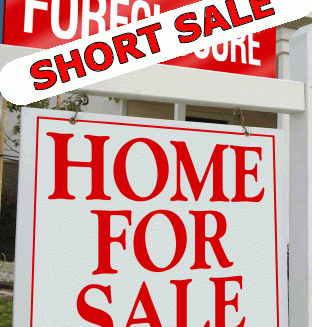
    Short Sale vs Foreclosure

    Home buyers and investors always ask, “Which type of deal is better, a short sale or foreclosure?” Before starting their search, prospective home buyers and investors should know the benefits and drawbacks of buying either type of “distressed” property – foreclosures and short sales.

    Benefits to Buying Foreclosed Homes

    According to Lender Processing Services, nearly 2.2 million homes in the U.S. were in foreclosure in April. On average, they sell for about 30 percent less than a nondistressed property, In April, the median price of a move-in ready foreclosure was around $185,000, according to Re/Max. A nondistressed property’s median price was about $267,300. Such deals are possible because homebuyers can negotiate closing costs and price in foreclosure sales. Buying a foreclosure typically is faster than buying a short sale, and an investor can buy a home for rock-bottom dollar. The national average of a foreclosure that needs some work may cost around $107,600, according to Re/Max. The investor could rent out the home or resell it after fixing it up. Investors should expect to spend no more than 5 percent to 10 percent of the purchase price to renovate a foreclosed house.

    Drawbacks of Buying Foreclosed Homes

    Are you sold on the idea of buying a foreclosure? Not so fast. Proceed with caution because there’s potentially a cost to that low price – a damaged house. Many foreclosed homes these days are ransacked homes. As a buyer, you could encounter scarred walls, carpets or appliances that were damaged by the former owner. Sometimes, time and neglect are the culprits. Turned-off utilities coupled with the house sitting empty for months can do a good share of harm. However,  some foreclosures are immaculate. And if you scope out a property that’s run down, there’s still hope. If a person is handy, and you have a high tolerance for defects and you can fix this stuff, there are a lot of opportunities out there. But in some foreclosures, the condition of the home may be the least of your worries. If you buy a foreclosure at auction without any research, you won’t get to take a peek to see if the plumbing works, if the walls are cracked – or if there’s a lien against the property. You’ll be responsible for these cosmetic and legal issues, so many investors research the property’s history before the auction. So, before starting your search for foreclosed homes, make sure you have a qualified real estate agent assisting you. You would be even better off if your real estate agent was a licensed attorney.

    Benefits of Buying Short Sales

    Looking for a foreclosure home price but in better condition? Sift through short sales in your local market. A short sale is still owned by the home owner, who owes more on the mortgage than the home is worth.

    Many believe that a short sale is far better than buying a foreclosure because the home is generally in better condition because it’s been occupied. The utilities have been maintained, usually the lawn is maintained, and so on. In April, the median price of a short sale home was $218,500. By comparison, a nondistressed property’s median price was about $267,300, according to Re/Max.

    Drawbacks of Buying Short Sales

    The name “short sale” can be deceiving – these deals often drag on for months. Some sellers assume they can start this process at their leisure, but they still have to qualify for the short sale.

    After the seller is approved, the first question a short sale buyer buyer should ask is whether or not there are two mortgages on the house. If there is a second lien holder on the short sale, that make the whole process much more difficult. Every lender and lienholder that has a financial stake in the house has to agree to the short sale. If the sale price of the home won’t pay off the second mortgage, that lien holder may not get paid, so that lender can block the sale. In the meantime, the buyer is stuck waiting for an answer.

    Know What You Want

    Nothing in real estate is a sure thing, but you can bet on getting a good deal if you know what you’re looking for in a home. If your family needs a house within one or two months, a foreclosure may be a good option. If you have more time to work with, short sales could be within your realm of possibility. Know your tolerance for defects and whether you have the time and money to fix up a house before buying a distressed home. If the choice is right, you could help a home owner put off a foreclosure if you buy a short sale. You can snag a great deal with either a short sale or a well-maintained foreclosed home, but one requirement remains – you must  find a good real estate agent.

  • Tips for Investing in a Short Sale Home

    Tips for Investing in a Short Sale Home

    If you are hoping to find an investment opportunity, you should look no further than investing in a short sale home. By doing so, you may be able to save thousands of dollars, and secure a rental home or primary home as your investment or primary residence. How does this work?

    A short sale is an attempt by the current owner to sell a home in lieu of the bank taking it back through foreclosure proceedings, thus partially salvaging their credit rating and lifting the burden of heavy mortgage debt. The entire short sale process hinges on the hope that the bank will take a loss now, approve the sale, and eliminate the costly process of foreclosing, clearing, and reselling a home. Here are a few tips originally provided by Todd Foust and Jennifer McNamara to help you better understand the short sale process.

    Tip #1: Price is usually set by the real agent & seller, not bank – The real agent and seller of a short sale home often create a very low asking price in order to attract buyers. The bank is normally unaware of the asking price in a short sale; however, the bank has the final say in what an acceptable offer will be. Since the bank has the power to ultimately accept or deny offers, their lack of price awareness often leads to the process taking longer than anticipated. The bottom line is that the buyer who is investing in a short sale home needs to remain positive and patient throughout the entire process, sometimes even for months.

    Tip #2: Loans owned by 1 bank usually better than 2 – If the seller of the short sale home has loans owned by two different banks it is a lot more difficult to approve the short sale. This is something the real estate agent or the buyer cannot control; it simply depends on the willingness of the bank or banks involved. Buyers investing in a short sale home should know that when the seller only has a loan(s) with one bank the short sale often becomes more buyer friendly. A savvy real estate agent can let you know this type of information.

    Tip #3: Lowball offers get slow or no response – Remember that the bank is typically unaware of the pricing during a short sale. When lowball offers stream into the bank they are often scoffed at and rejected, giving the prospected buyers little or no feedback. Surprisingly, it may also take painstakingly long to hear back even on good offers due to the high volume of transactions lenders are inundated with these days. So if you are a buyer interested in investing in a short sale home, you need to find a qualified real estate agent to walk you through the process.

    Tip #4: Real estate agent must check comparables before submitting offer – The real estate agent must be sure to check recent home sales in the area to give buyers a better idea of the properties that are selling both short sale and non short sale. This will give the real estate agent and the seller appropriate grounds for an asking price that will be more likely to be approved by the bank. Checking comparables will also give the buyer who is investing in a short sale home a better knowledge of what price homes in the neighborhood are selling for, and ultimately make them a more informed home buyer.

    Tip #5: Don’t hang your hat on the property – Short sales aren’t necessarily “short.” It can sometimes be a very long process. So if your goal is investing in a short sale home don’t get your hopes up for just one property. Keep your options open and continue to actively look at multiple properties. Buyers must remain optimistic. The right property will come along. In most areas it is completely legal and risk-free to have multiple offers out at any given time with the proper contingencies.

    Tip #6: Sellers with other properties or too strong of financials may not qualify for short sale and/or may be asked to pay the difference – Sellers that own more than a handful of properties or have an extremely large net worth will probably not be eligible for short sale. In some cases the seller will be asked to pay the difference of the sale. The seller might even need to sign a promissory note stating that they will pay back all or most of the debt. This has virtually no effect on the buyer as long as the seller cooperates, but can certainly decrease the chances of the short sale being completed.

    Tip #7: “Approved” prices are quickest – It is important to remember that short sales are not always timely. However, making an offer on an “approved short sale” can be a quicker process. An “approved short sale” has a price that has already been given the green light by the bank. This could be due to the fact that another interested buyer made an offer that was approved, but didn’t end up buying the property. These types of short sales are some of the most highly desirable. So, if you are set on investing in a short sale home, look for these properties.

    Tip #8: Some banks look for strongest buyers, some want strongest offers – The bank has all the power in approving short sales. The bank can pick the most appealing buyer, which may mean different things to different banks. Some banks may prefer the buyers with large down payments while others just want the highest price regardless of down payment. Many investors of short sale homes want to know if they will get a deeper discount for an all cash offer. This is very hard to predict and one will never really know until they make an offer. As long as the investor/buyer is surrounded by a good team we would advise them to do just that.

    Tip #9: Repairs are seldom done, credit is more frequent – If there are improvements that need to be made on a short sale home, even if they are necessary to get a loan, it is often unlikely that they will be done. Typically there is some sort of credit issued and the buyer must take the responsibility of fixing anything that is broken. This is one of the small risks that comes with investing in short sale homes.

    Tip #10: When you get approval, you must close on time – During a short sale there is no leniency with the closing escrow date as there often is in a traditional sale. During a short sale, exceptions are rarely made and the buyer must close on time. Because of this, when investing in a short sale home it is important to take care of all loan paperwork immediately after opening escrow. We’d advise buyers to be extra prepared and try to have the loan finalized a few days in advance of the closing date. If there is going to be an issue that will prevent closing on time, a request for an extension will need to be made immediately. If the request is made early enough, many banks will grant an extension but don’t just assume it will happen.

    Investing in short sales can be a great opportunity to find your new home at a competitive price. A Short sale could also be a major headache that lasts for months. It is important to have a good understanding of the factors that lead to a successful short sale to make it an enjoyable and profitable experience. We hope that these tips will help you to remain positive and optimistic throughout the process.

  • How to Find the Best Realtor

    How to Find the Best Realtor

    Finding a good realtor is important as you go through the real estate buying and selling process. There is an old saying in the real estate business saying that “20% of the agents do 80% of the business”. The important thing for you is, how can you find one of these good realtors? The best realtor does not always work at the biggest company, close the most deals or earn the most money. The best realtor is an experienced professional who will listen to you, conduct himself or herself in an ethical manner, and knows the market.

    1. REALTORS and Real Estate Agents

    All Realtors are licensed to sell real estate as a real estate agent or a real estate broker, but not all real estate agents are Realtors. Only a Realtor can display the Realtor logo. Realtors belong to the National Association of Realtors and pledge to follow the Code of Ethics, a list of industry standards of practice, which establish levels of conduct that are much higher than ordinary business practices or those required by law. Less than half of all licensees are Realtors.

    2. Referrals

    Most of the best realtors stay in business – and successfully – because satisfied clients refer them to friends, family, neighbors and coworkers. Ask those around you what realtor they have used and ask them to discuss their experiences with this realtor. The best realtors realtors make their clients’ satisfaction their number one goal.

    3. Use Print Advertising

    Realtors run real estate ads for two purposes. The first is to sell specific real estate. The second is to promote the realtor. Look in your local newspapers for ads in your targeted neighborhood. Then look up the websites of the realtors who are advertising. These realtors could be specialists in your neighborhood or type of home.

    4. Professional Associations

    The best realtors typically are very involved in their profession and related professions. Ask your realtor what activities he is involved in. And if you really want to find a professional, find a realtor who is also a licensed attorney at law. A realtor who is also an attorney can more easily walk you through the often complicated legal process that involves contracts and closing.

    5.  See how the Realtor Works

    Meet the realtor out in their working environment, not in their offices. The best realtors spend very little time at their desks.

    6.  Have a Website

    Make sure your realtor is online. Having a web savvy realtor with a strong web presence is very important today as over 85% of all buyers initially see their homes online. The best realtors have laptops and often have moved to mobile technology to assist. A realtor in today’s world must email, text, and be available to buyers and sellers all the time.

    7.  A Busy Realtor!

    Look for signs that the realtor is busy. A hard-working, go-getter of an agent is good. But if they pass you to an “assistant”, move to another realtor that will give their time to you.

    8.  Respected by Peers

    How respected is the realtor? The best realtors network and work cooperatively with other realtors and professionals. Seasoned realtors know other realtors in the area and have good working relationships with them. This helps you!

  • Short Sales Orlando

    Short Sales Orlando

    Many prospective home buyers here in Orlando always ask about the availability of short sales. Are there many out there? Are they a good buy? Yes and yes…but they can be difficult to work with and they take time. For an investor, or a home buyer who is not looking for a home to move into immediately, we recommend taking a look at the short sales in your preferred Orlando area neighborhood. But for those of you looking to buy, close and move into your new home quickly, short sales may not be the way to go for you.

    Short sales can sometimes be misunderstood. So let’s first take a look at what a short sale is. A short sale is when a lender accepts a discount on a mortgage as payment in full. Lenders often accept this so that they don’t lose a larger sum of money down the road when the home owner may go into foreclosure or bankruptcy. Although the buyer is still buying the home from the seller, the lender must give permission and final approval of everything. An example of a short sale situation would be when the mortgage on a home is $250,000, but the home is worth somewhere in the high 100’s. In this scenario, a buyer may offer to buy the home for $180,000. The seller would then need to provide all relevant information to the lender to see if the lender will accept that amount as payment in full, and therefore approve the short sale. The lender may accept this knowing that if they didn’t, then they may have to foreclose on the home in the future and receive only pennies on the dollar at a foreclosure sale.

    There are many benefits of a short sale. The biggest benefit for a seller is to get the home for far less than what it would sell for if the mortgage was not so high. The biggest drawback to a short sale is that it can require much more work on the part of the buyer.

    But with all the short sales available in Orlando at this time, it certainly is worth a try if you are not in a hurry. Typically,  And don’t forget about second mortgages! Even if the seller and buyer negotiate a deal with the first lien holder, the others will also have to agree on a deal to discount their liens as well. And if the buyer is paying entirely in cash, the lender will usually take that offer more seriously and be more likely to approve the offer.

    So if you are looking for a home in Orlando, consider any of Orlando’s short sales. They are worth a look and worth discussing with a qualified Orlando short sales realtor.

    Contact us today if you have more questions.

  • Tips for Investing in Foreclosed Homes

    Tips for Investing in Foreclosed Homes

    If you are hoping to find an investment opportunity, you should look no further than investing in a foreclosed home. By doing so, you may be able to save thousands of dollars, and secure a rental property as your investment. How does this work?

    To begin, a foreclosed home is one where the homeowners no longer can, or wish to, make their mortgage payment. When that happens, the bank takes back title of the home, and puts it back on the market. Usually, they start by listing the house very low in hopes of selling it quickly. They just want to try and get their money back. For this reason, you can sometimes find a great deal on a beautiful home. This makes investing in a foreclosed home a great and smart choice for rental property.

    If you think that investing in, or buying, a foreclosed home is right for you, then you may want to start looking at the different foreclosed properties that are on the market. To see a list of foreclosed homes in your area, contact a local real estate agent and request a detailed list of these homes. Take note of the different neighborhoods, and school zones. You will want to find foreclosed homes that are in fairly popular areas so that your property will move quickly whether you rent it out or resell it for profit.

    As you look at different foreclosed homes, also pay close attention to the condition. You should have a pre-conceived idea of certain qualities that you want in a home. Everything from the number of bedrooms, to the size of the lot should be on your list. By doing this, you won’t end up buying something that you are not happy with.

    Next, you’ll want to look into getting a home loan. If you get pre-approved, you can move forward with an offer on the home. Waiting to get your offer accepted can take some time due to the paperwork involved, so be prepared. Eventually, you will learn whether your offer was accepted or not. If so, you will be ready to begin renovation on the foreclosed home to serve your investment purpose.

    When it comes to renovation, seek out some experts to advise you. It will be worth it. Check out which areas need to be addressed, then sit down and write out a list of things that need to be taken care of right away. After a while, you will be able to move forward, and put the home on the market. Always start with the bigger projects first, then move to the smaller ones as you as you have the time and money. And, as always, don’t forget the outside! Curb appeal is what’s going to bring in the renters and buyers the quickest.

    For more information about foreclosed homes in the Orlando area please contact us.

  • Short Sale Definition

    Short Sale Definition

    A short sale is a sale of real estate where the proceeds from the sale are less than the amount owed on the real estate. In other words, the proceeds are “short”. The amounts owed on a short sale property include all mortgages and other liens. In a normal situation, when a piece of real estate is sold, the proceeds of the sale are first used to pay off all mortgages and liens in full. Any additional amounts left over would go to the seller.

    But in a short sale, there are not sufficient proceeds from the sale to pay off the mortgages and liens. Therefore, the seller and lender must agree beforehand that the lender will accept these lesser proceeds as payment in full for it’s outstanding loan/lien – even though they are taking a loss. Lenders frequently agree to a short sale in order to minimize their losses. With the drop in real estate values over the past few years, many houses are “underwater”. In other words, they are worth less than what is owed on them. Many lenders understand that if they do not agree to a short sale then they will likely have to foreclose at a later date – in which case they would incur more fees and receive a lower amount of proceeds.

    Short sales have become a very popular way of finding a home. There are many short sale properties on the market today and a qualified real estate agent can help you find what you are looking for.

    As an attorney, as well as a real estate agent, I can explain the entire short sale process in more detail and can walk you through the entire process. Please contact us to see how we can help you with your short sale.

  • Rent vs Buy in Orlando

    Rent vs Buy in Orlando

    Should you rent or buy? The Orlando real estate market offers the best of both worlds. If you are looking for a home for sale, you will find anything you are looking for. If you are looking to rent a home, short term or long term, you also can find anything you can imagine. So whether you rent or buy in Orlando, this decision must be based on several factors, including:

    How long you plan to stay?

    If you’re not going to keep the home for several years, the transactional costs of buying and selling can wipe out any buying edge.

    Do you have cash for closing?

    It’s not easy today to find banks willing to lend more than 80% of the cost of a home. That means buyers will have to come up with 20% down, plus closing costs. On a $300,000 home, that’s $60,000. This is not easy for many home buyers.

    Can you can cover all the costs of owning the home? In addition to the mortgage, there are property taxes, hazard insurance, heat, utilities and regular maintenance.

    Can you can claim the tax advantages of homeownership?

    Mortgage interest is deductible and can save a lot on taxes. Mortgage interest comprises almost all of the monthly payment in the first few years of the mortgage loan. So this deduction can be huge. Also, married couples can earn up to $500,000 tax-free when selling a home at a gain. Singles get $250,000.

    Other Factors

    Buying a house isn’t strictly a financial decision. This may sound simplistic, but first and foremost you should find a neighborhood and a house that you just like. Moreover, you should check on the sales price trends of homes in that neighborhood. If it looks like the area is declining in value, then avoid commitment. You’re probably better off renting. Finally, don’t forget that even with the tax-breaks of home ownership, you will still be incurring out-of-pocket costs that you wouldn’t encounter as a renter from the cost of ripping down wallpaper to repairing a leaky roof. So, before you buy, estimate how much those costs will be. After all, you don’t want to live hand-to-mouth even if it is in your own home.

    Is emotional satisfaction important to you?

    We mentioned  that buying a house is not always a financial decision. It frequently is an emotional decision. Having a place to call “yours” and to call “home” is often what the american dream is all about. For good or bad, a home that we own tends to define us. Having your own home allows you to decorate and remodel your home to fit your personality. Renting does not always allow this

    So whether you want to rent or buy, you will have plenty of choices for each in the Orlando real estate market. Contact us today to learn more about your options.

  • How to Prepare Your Orlando Home for Sale

    How to Prepare Your Orlando Home for Sale

    Bright and early Saturday morning a real estate agent with prospective buyer in tow pulls into your driveway. As you cordially approach to greet them, the prospective buyer puts down his tool box and ladder, then extends his hand to greet you. The tool box reveals the following items:

    • flash light

    • ice pick

    • magnet

    • marble

    • electrical tester

    • binoculars

    • compass

    Your heart sinks. This buyer is up to something but you have no idea what. You rightly suspect that whatever it is, it may likely result in an offer lower than you’d like. Fortunately, this uncomfortable situation is avoidable. Had you prepared in advance, you’d have welcomed the inspection, knowing the purpose for all the items:

    • 6-foot stepladder: attic access

    • flash light: crawl space and attic inspection

    • ice pick: to indicate wood rot and termite infestation

    • magnet: to determine if plumbing pipes are iron

    • marble: to note if the floors are relatively level

    • electrical tester: for checking electrical ground connection, particularly in kitchen    and bathroom

    • binoculars: for a closer look at the roof and roof-mounted structures

    • compass: to determine the building’s exposure (helpful in evaluating various structural elements and components)

    Before any potential buyer inspects your home, go beyond the obvious tasks of cleaning out closets, drawers, and removing extra furniture. Inspect items and areas you may have overlooked, such as interior and exterior walls, electrical switches and outlets, crawlspace, attic, foundation, plumbing, roof and roof structures. To get the highest offer possible, you have to learn how to prepare your Orlando home for sale.

    Below is a checklist designed to systematically draw your attention to often overlooked items. This is not a complete list, nor is it designed to replace the services of a competent home inspector. We strongly urge you to educate yourself regarding home inspection and obtain the services of a professional inspector in the Orlando area. A home inspector will check all areas of interest and recommend needed repairs. You won’t have to worry about what a potential buyer might find and use to his advantage. You yourself can prepare your Orlando home for sale.

    Worthwhile Repairs

    Making small but necessary repairs will increase the value of your home and help you get a good offer. Making last-minute capital improvements, such as adding a room, probably won’t be economical and is not a great way to prepare your home for sale. Capital improvements may be economical, however, when improving the kitchen or bathroom. Ask your real estate agent about which repairs and improvements are worthwhile.

    Pre-Sale Inspection Checklist

    When your inspection, organizing, preparing, cleaning, polishing and repairing of the following items is complete, check it off.

    Interior

    ___ Windows, Doors and Door Frames

    ___ Floors

    ___ Carpets

    ___ Ceilings

    ___ Paint and Wallpaper

    ___ Light Fixtures, Wall Switches and Plugs

    ___ Kitchen Cabinets, Exterior

    ___ Kitchen Cabinets, Interior

    ___ Kitchen Appliances

    ___ Kitchen Counters

    ___ Bathroom Counters and Wall Fixtures

    ___ Bathroom Plumbing Fixtures

    ___ Bathroom Tile, Ceilings, Walls & Floor

    ___ Mirrors

    ___ Fireplaces & Heaters

    ___ Crawl Space – Overhead and Under the House

    ___ Basement

    ___ Stairs

    ___ Attic

    ___ Closets & Pantry

    Exterior

    ___ Paint, Color, Siding and Trim

    ___ Porches

    ___ Decks

    ___ Gutters

    ___ Roof

    ___ Windows

    ___ Doors

    ___ Garage or Carport

    ___ Garbage Cans and Garbage Can Space

    ___ Rubbish & Refuse

    ___ Outdoor Sheds

    ___ Pool or Spa

    Foundation and Infrastructure

    ___ Foundation

    ___ Supports

    ___ Slab

    ___ Plumbing & Pipes

    ___ Heating, Furnace, Air Conditioning

    ___ Electrical

    ___ Water Heater

    ___ Water

    Safety Issues & Devices

    ___ Detectors

    ___ Asbestos

    ___ Lead, Formaldehyde, Radon

    Landscaping

    ___ View

    ___ Boundaries & Fences

    ___ Walls

    ___ Soil

    ___ Ponds

    ___ Driveways & walkways

    ___ Landscaping

    ___ Drainage

    ___ Sewer & Septic

    Additional Considerations

    The first impression is the most important. Make the front of your home a standout in every way. Take a little extra time to prepare this part of your home. The living areas must be open, spacious, well lighted and fresh smelling. Remove and rearrange furniture as needed, turn on the lights, open a window and bake an apple pie! The kitchen must appear, above all else, spacious and spotless. Store some of your overflow to make the shelves look roomier. Grind a lemon peel in the garbage disposal. Master bedroom and bath must give the impression of space and flow. Thin your closets and remove all extra furniture. Create enough space so that a potential buyer can imagine filling it with their own possessions.

    Don’t forget to ask your real estate agent for additional tips on “staging” and decorating! If you learn how to properly prepare your Orlando home for sale, you will likely reward yourself with higher offers. Contact us today for more information on preparing your Orlando area home for sale.


Skip to content